

Products
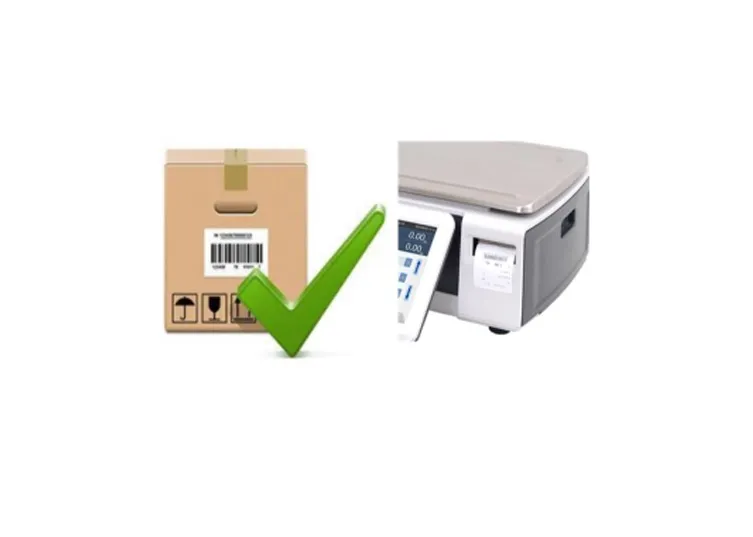

 Download
Thermal Synthetic 75/Freezing Hot melt B-05/YG60

USE:
 Minimum labeling temp: -25℃
- Service temp: -50℃~50℃ (24h after labeling)
- Suitable for high-quality logistics labels, refrigeration and cold-chain fields, etc.
- Suitable for fine bar code printing.
- Not suitable for applications in direct sunlight.
- Good initial and final adhesion at low temperatures, with excellent performance on many packaging materials. Not suitable for application on PVC surfaces.
 Contact us now
Made by Youhua. Sold in the US by Adwins International.
Detail
Application
Fulfill the requirement of RoHS, REACH
Minimum labeling temp: -25℃
Service temp: -50℃~50℃ (24h after labeling)
Suitable for high-quality logistics labels, refrigeration and cold-chain fields, etc.
Suitable for fine bar code printing.
Not suitable for applications in direct sunlight.
Good initial and final adhesion at low temperatures, with excellent performance on many packaging materials. Not suitable for application on PVC surfaces.
Printing and processing
Suitable for conventional printing.
Alcohol or volatile organic solvent inks are not applicable.
Not recommended to process in environments above 20℃.
Storage period and conditions
From date of manufacture: 12 months
Storage conditions: 23±2℃ & relative humidity 50±5%. According to the thermal paper properties, please try to avoid keeping the product in high temperature, high humidity, alcohol, oil, plasticizer, etc.
| Indicator | Parameter | Unit | Method |
|---|---|---|---|
| Caliper | 75±5% | μm | ISO 534 |
| Indicator | Parameter | Unit | Method |
|---|---|---|---|
| Initial Tack | ≥11 | N | FTM9,ss |
| 90°Peel Adhesion (20min) | ≥6 | N/25mm | FTM2,ss |
| Shear | ≥8 | hours | FTM8,ss |
| Low-temperature Loop Tack | ≥16 | N | FTM9,ss |
| Indicator | Parameter | Unit | Method |
|---|---|---|---|
| Substance | 56±5% | g/㎡ | ISO 536 |
| Caliper | 50±5 | μm | ISO 534 |
Statement
All the statements, tech information & recommendations are based on the tests believed to be reliable but do not constitute a guarantee or warranty. All products sold should be tested by the customer in the end-use environment to confirm compliance with the requirements of that environment and to determine which materials to purchase.We reserve the rights of final explanation.